The Years Dog Food Recall: Unpacking the Acute Bilateral Dry Eye Investigation

Current as of 19th August 2026
When we put time, money and thought into choosing what we believe is a good food for our dogs, the last thing any of us expects is to find ourselves wondering whether that same food could have contributed to a serious medical problem.
That is why the developing situation surrounding Years has understandably caused so much concern. According to the company’s communication on 17 August 2026, Years halted all sales of their fresh meals following 57 suspected reports of dogs developing a severe, sudden condition known as Acute Bilateral Dry Eye. Years has identified buckwheat as a potential common link while laboratory investigation is continuing.
At this stage, the distinction between a suspected association and a proven cause is extremely important. Buckwheat may ultimately prove to be directly involved. It may be carrying or concentrating something else. A particular batch or agricultural source may prove important. A processing interaction may be involved. Or investigators may ultimately identify another shared exposure entirely.
We simply do not know yet. What we can say is that the reported clinical pattern deserves to be taken very seriously. The combination of apparently unrelated dogs developing rapid, severe and often bilateral loss of tear production following a shared dietary exposure is unusual enough to warrant a detailed toxicological and epidemiological investigation.
This article looks at what KCS actually does to the canine eye, what recovery might look like for affected dogs, how veterinary treatment works, what stem cell therapy can and cannot currently offer, and why I believe it is premature to close the investigation by simply saying “buckwheat caused it”.
Understanding the Condition: Acute Bilateral Dry Eye
Keratoconjunctivitis sicca, usually shortened to KCS and commonly called dry eye, occurs when the tear film can no longer adequately protect the surface of the eye. KCS is not one single disease with one single cause. The most familiar form in dogs is aqueous-deficient KCS, where insufficient watery tear fluid is produced. Immune-mediated destruction of lacrimal tissue is considered the most common cause in dogs, but KCS can also occur following certain medications, neurological disease, congenital gland abnormalities, trauma, endocrine disease and other processes affecting the lacrimal functional unit.
That distinction becomes especially important in the Years investigation because the clinical question is not simply: “Do these dogs have KCS?”
It is: Why have multiple dogs apparently developed severe KCS over a relatively short period of time?
That pattern makes systemic, toxicological, pharmacological or other shared environmental mechanisms particularly important to investigate.
The Anatomy of the Canine Eye and Tear Production
A healthy tear film is much more sophisticated than a layer of water sitting over the eye. The tear film protects and lubricates the ocular surface, provides nutrients to the cornea, helps remove debris, supports optical clarity and contributes antimicrobial protection.
The aqueous component of canine tears is produced predominantly by the orbital lacrimal gland and the gland associated with the third eyelid. The surface of the eye also depends on lipids produced by the meibomian glands along the eyelid margins and mucins associated with the ocular surface. These components work together to create a stable tear film.
This is why dry eye can involve more than simply “not making enough water”. Dogs can experience aqueous deficiency, poor tear-film stability, excessive evaporation, abnormal lipid production or combinations of these problems. In the particular cases currently being discussed, however, reports of extremely low Schirmer Tear Test readings make profound aqueous tear deficiency the major concern.
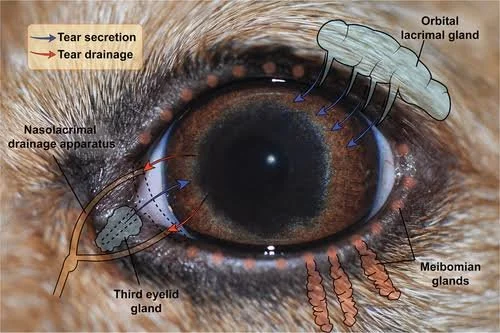
Caption: A healthy canine eye depends on several structures working together to maintain the tear film. The orbital lacrimal gland and gland of the third eyelid provide most of the aqueous component, while meibomian glands help reduce evaporation and the nasolacrimal system drains tears away from the ocular surface.
What Happens When Tear Production Falls Towards Zero?
There is an enormous clinical difference between mildly reduced tear production and an eye producing virtually no measurable aqueous tears. The Schirmer Tear Test, or STT, measures the amount of moisture travelling along a specialised paper strip placed inside the lower eyelid over one minute.
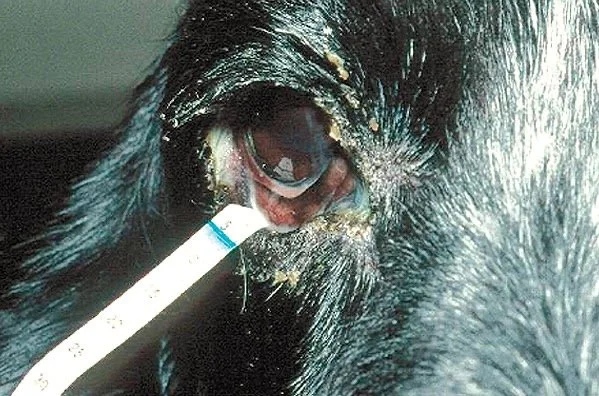
Image credit, North Down Referrals - photo shows a Schirmer tear test (STT) being carried out.
Interpretation always belongs alongside the clinical examination, but very low readings indicate severe aqueous deficiency. When an affected dog records an STT of 0 or 1 mm/min, the ocular surface has lost one of its fundamental protective mechanisms.
The cornea can quickly become inflamed and painful. Thick, sticky mucus may accumulate because the watery portion of the tear film is missing. Conjunctival redness develops. Dogs may squint, rub their faces or become sensitive to light.
With continuing severe dryness, corneal ulceration, vascularisation, fibrosis and pigmentation can develop. Chronic corneal damage can eventually interfere significantly with sight.This is why a dog with suspected acute KCS should not simply be watched at home to see whether the eyes improve.
A red, painful, cloudy, sticky or persistently squinting eye warrants veterinary examination promptly, particularly in a dog that has consumed food implicated in the current investigation.
The Photographs Need One Important Clarification
The below clinical image accompanying this chapter can be useful for showing how dramatic ocular inflammation can become, but I would not describe it as a photographic sequence showing the “stages of KCS”.
The panel appears to demonstrate varying severity of blepharitis, conjunctivitis, keratitis and uveitis.
These conditions may accompany serious ocular disease, but the photographs should not imply that every dog with KCS progresses neatly from the first photograph to the last.
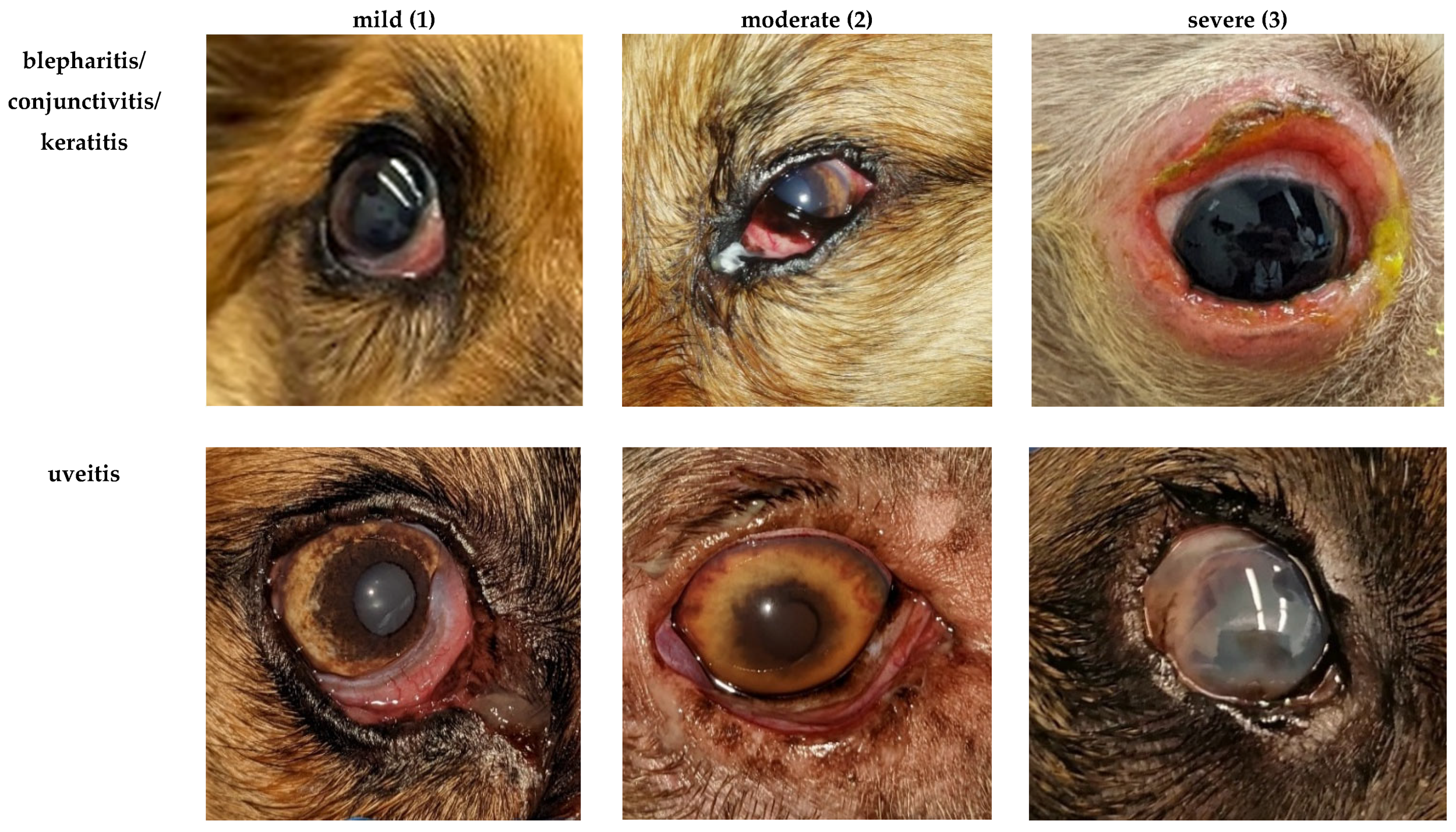
Examples of increasing severity of canine ocular inflammation. Dry eye can contribute to conjunctivitis and keratitis, but the appearance and progression of KCS varies between individual dogs. Severe redness, cloudiness, discharge, ulceration or pain always warrants veterinary assessment.
Is KCS Reversible?
This may be the most important question for families whose dogs are currently affected. The answer is: Sometimes, but not always.
KCS is a clinical syndrome. Whether tear production can recover depends heavily on what has happened to the lacrimal glands.If tear production is suppressed because of inflammation, temporary neurological dysfunction or a reversible pharmacological effect, recovery may be possible.
If enough lacrimal tissue has been permanently damaged or destroyed, normal tear production may never return. That is why identifying the mechanism behind the Years cases matters so much.
What Drug-Induced KCS Teaches Us
We already know from veterinary medicine that something consumed systemically can profoundly affect canine tear production.
One classic example involves sulfonamide drugs.
In a 1982 study, KCS developed in 14 dogs receiving sulfonamides. After the medication was stopped and treatment initiated, normal lacrimation returned in three dogs, while tear production remained inadequate in ten. One dog was lost to follow-up.
That does not suggest that sulfonamides are present in Years food.
It demonstrates something much more relevant to this investigation: systemic exposure to a particular chemical can produce dramatic lacrimal dysfunction, and withdrawal of the exposure does not guarantee complete recovery.
Another large retrospective investigation examined KCS associated with etodolac exposure. Complete resolution occurred in some dogs but not others, and shorter exposure was associated with a better chance of remission in one study population. Again, etodolac is not being suggested as a Years contaminant. These studies are useful because they show us what chemically associated lacrimal injury can look like clinically.
There is also remarkably relevant new evidence from 2026. A VetCompass Australia study examined more than 2,000 dogs treated with trimethoprim sulfonamide. Definitive KCS was uncommon, occurring in just 0.19% of the population, yet the four definitive cases had STT readings of only 0 to 1 mm/min.
Interestingly, dose and duration did not predict which dogs developed KCS. Researchers suggested that the reaction may therefore be predominantly idiosyncratic rather than simply dose dependent.
That finding is particularly relevant here because it illustrates an important toxicological principle. A substance does not have to make every exposed dog ill for the association to be biologically credible. Susceptibility can vary considerably between individuals. So if only a relatively small proportion of Years-fed dogs have developed profound dry eye, that fact alone neither proves nor disproves a toxicological mechanism.
What Determines Whether an Affected Dog Recovers?
The biggest factors are likely to be the underlying cause, the amount of viable lacrimal tissue remaining, how quickly the exposure is removed, how early treatment begins and how much secondary corneal damage has already occurred.
A dog whose lacrimal glands are temporarily suppressed is in a very different biological position from a dog whose glandular tissue has undergone extensive irreversible injury. This also means recovery is not necessarily all or nothing. A dog may regain some tear production without returning to normal.
The corneal surface may become comfortable again while the dog still requires medication. Conversely, tear production may improve but previously established corneal pigmentation or scarring may remain.
For the families currently caring for affected dogs, that uncertainty is extremely difficult. I would be cautious of anyone promising either that these dogs will definitely recover or that they definitely face lifelong disease.
We do not yet have enough follow-up data to know.
How Is Severe Canine KCS Treated?
Treatment usually has two objectives.The first is to protect and repair the ocular surface. The second is to preserve or stimulate whatever functional tear-producing tissue remains.
Tear Replacement and Ocular Surface Protection
Lubricating preparations can replace some of the missing tear-film function and help protect the cornea. Depending on severity, veterinary ophthalmologists may use formulations containing substances such as hyaluronic acid or other longer-lasting ocular lubricants. Very severe KCS may initially require frequent application because an eye producing virtually no aqueous tears has little natural protection between treatments.
If corneal ulceration is present, management becomes more urgent. Fluorescein staining is therefore extremely important in painful dry-eye cases because the presence of an ulcer changes what medications can safely be used. Secondary infection, deep ulceration or progressive corneal melting may require additional medical or surgical management.
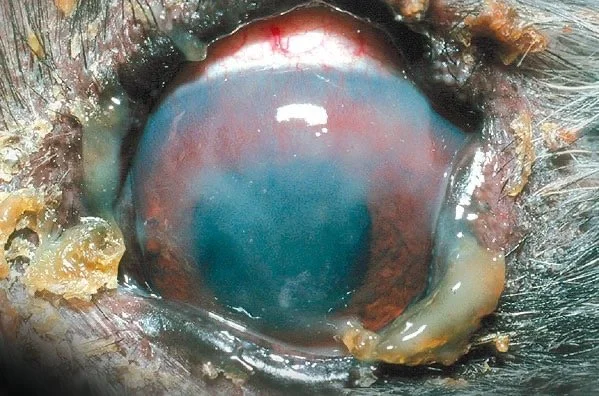
Marked blood vessel invasion in an advanced case of dry eye - credit North Down Referrals.
Cyclosporine and Tacrolimus
Two of the most familiar medications used for canine KCS are cyclosporine and tacrolimus. These drugs are immunomodulatory and can also increase tear production where sufficient functional lacrimal tissue remains. A comparative canine study found that both cyclosporine and tacrolimus improved KCS, with tacrolimus showing greater efficacy in some dogs with moderate or advanced disease.
Other work has shown that tacrolimus can improve tear production in some dogs that previously responded poorly to cyclosporine.These drugs should be selected and monitored by the treating veterinarian or veterinary ophthalmologist. There is an additional question in potentially toxic KCS.
If the primary problem turns out to be direct destruction of lacrimal gland cells rather than immune-mediated inflammation, immunomodulation alone may not be enough. The treatment can only stimulate tissue that remains capable of responding. That is one reason serial STT measurements will be so important in the affected Years dogs.
The trend over several weeks and months may tell us considerably more than a single measurement taken on presentation.
What Happens When Medical Treatment Is Not Enough?
Some dogs with severe KCS remain poorly controlled despite intensive medical management. One established surgical option is parotid duct transposition, or PDT. The procedure redirects saliva from the parotid salivary gland towards the eye, providing an alternative source of moisture. It sounds extraordinary, but it can be genuinely useful in carefully selected dogs with medically refractory dry eye.
A retrospective study examining 92 operated eyes reported a surgical success rate of 92%. However, complications were common, occurring in approximately half of operated eyes, although many were manageable medically. PDT is therefore not a casual substitute for eye drops. It is a specialist surgical option for dogs where conventional medical treatment is failing to maintain an adequately comfortable ocular surface.
Now We Need to Talk About Buckwheat
Years introduced buckwheat as part of its 2026 recipe update. The company's Help Centre described the ingredient as a natural prebiotic, source of fibre and low-glycaemic carbohydrate and stated that the recipes had undergone research, taste trials and testing. Years also published an article on 20 February 2026 titled “Can Dogs Eat Buckwheat? What You Need to Know”. The article described buckwheat as safe when properly cooked and stated that Years had carefully calculated the amount included in its meals. The original URL was: https://www.years.com/blogs/nutrition/can-dogs-eat-buckwheat
As of 19th August 2026, opening that URL returns a 404 error, although the previously indexed version remains visible through search records. Luckily for me, I was able to retrieve this deleted article, with thanks to a helpful friend in IT. I think the timing is reasonably worth documenting. However, a page returning 404 cannot tell us why it was removed, so I would not speculate about motive.
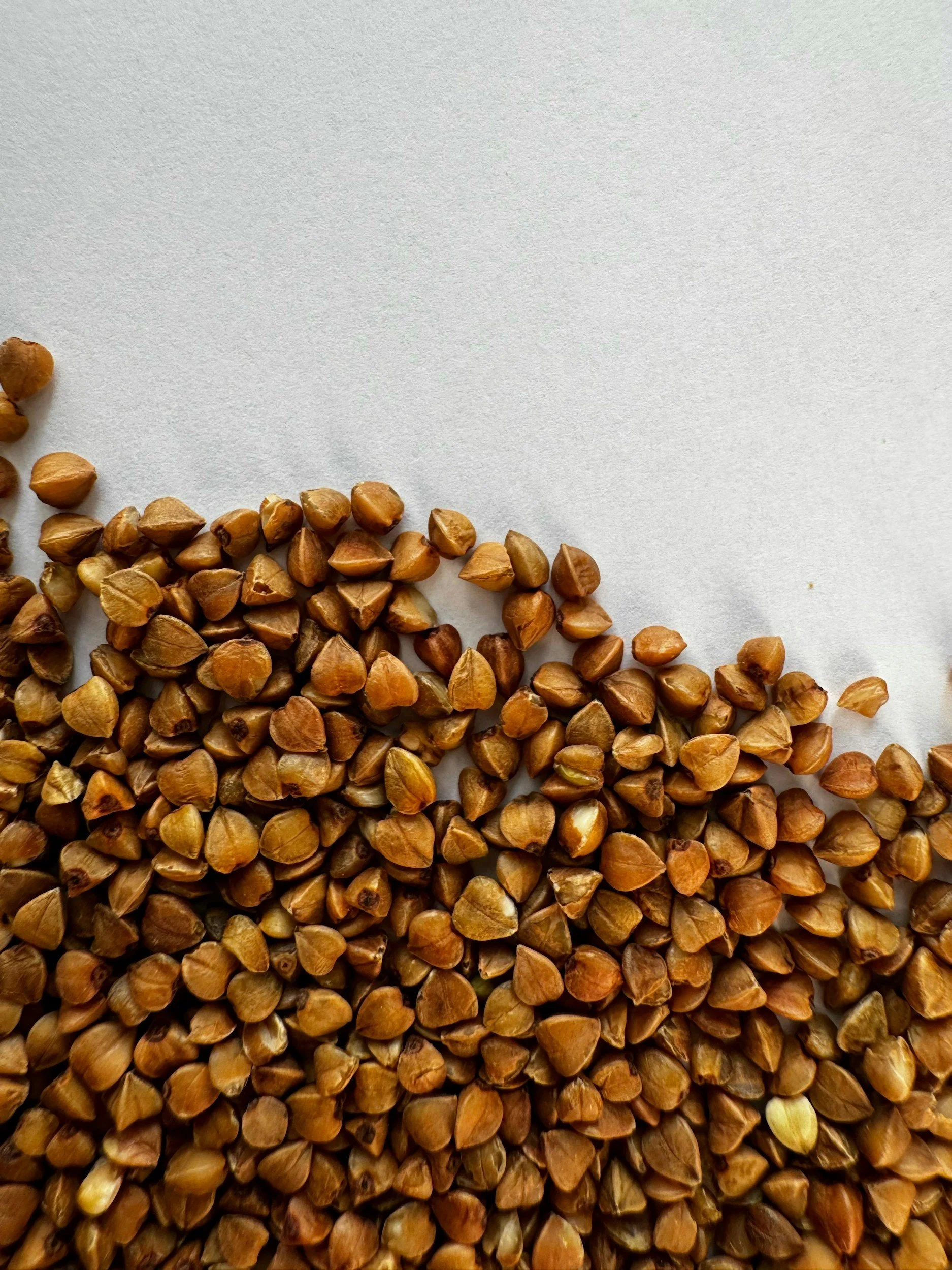
Buckwheat
Is Buckwheat Itself Dangerous to Dogs?
There is currently no evidence demonstrating that ordinary cooked buckwheat routinely causes acute bilateral KCS in dogs. That point needs to remain central. Buckwheat is not wheat. It is a pseudocereal from the Fagopyrum genus and has long been consumed by humans and incorporated into animal diets. Reviews of buckwheat toxicology generally consider ordinary seeds and flour relatively safe at normal dietary amounts. Concerns around the plant are much more strongly associated with green plant material, flowers, sprouts and concentrated extracts containing phototoxic fagopyrins. That alone makes a simplistic conclusion that “buckwheat causes dry eye” scientifically unsatisfactory. If buckwheat is involved, the next question must be: What exactly about this buckwheat exposure is different?
Fagopyrins: Interesting, but Not Yet a Convincing Explanation
Buckwheat can contain phototoxic compounds known as fagopyrins.These molecules are structurally related to hypericin and can generate reactive oxygen species following exposure to light. High exposure can produce a condition called fagopyrism, a form of photosensitisation that has historically been observed particularly in animals consuming buckwheat plant material. The Merck Veterinary Manual discusses buckwheat as a recognised cause of primary photosensitisation. But there is a major gap between that mechanism and what we are seeing here. There is currently no established evidence demonstrating that fagopyrins selectively destroy canine lacrimal glands and produce acute bilateral KCS. Furthermore, fagopyrin concentrations vary enormously depending on which part of the plant is used. Seeds generally contain much lower concentrations than flowers, leaves and sprouts.So testing simply for the presence of “buckwheat” is not enough.If fagopyrins are genuinely suspected, investigators need to quantify the relevant compounds in the actual ingredient lots and finished foods eaten by affected dogs.
The 2019 Buckwheat Study Is Important, but It Does Not Prove This Case
There is one canine paper that makes the current investigation particularly interesting.In 2019, researchers retrospectively examined dogs attending nutrition consultation services in Germany and Russia. Among the German cases, 32% of dogs fed diets containing buckwheat had a history of liver disease compared with 3.5% of controls. Yet that association was not reproduced in the Russian population. Researchers compared German and Russian buckwheat samples and found visible differences and differences in starch gelatinisation, but they were unable to detect fagopyrin, quercetin or quercitrin in the samples tested. This study is fascinating precisely because it did not produce a neat answer. It suggested that something associated with particular buckwheat exposures may have mattered, while also showing that buckwheat itself could not simply be blamed across every population. And that is why I believe the Years investigation needs to go much further than identifying one shared ingredient.
A Critical Correction: What the Recipe Percentages Really Tell Us
Earlier this year, All About Dog Food noted that years had quietly changed their recipes and hadn’t informed subscribers. The company changed the content from 12% sweet potato + 5.8% quinoa to 11% sweet potato + 7.2% buckwheat + 1% quinoa.
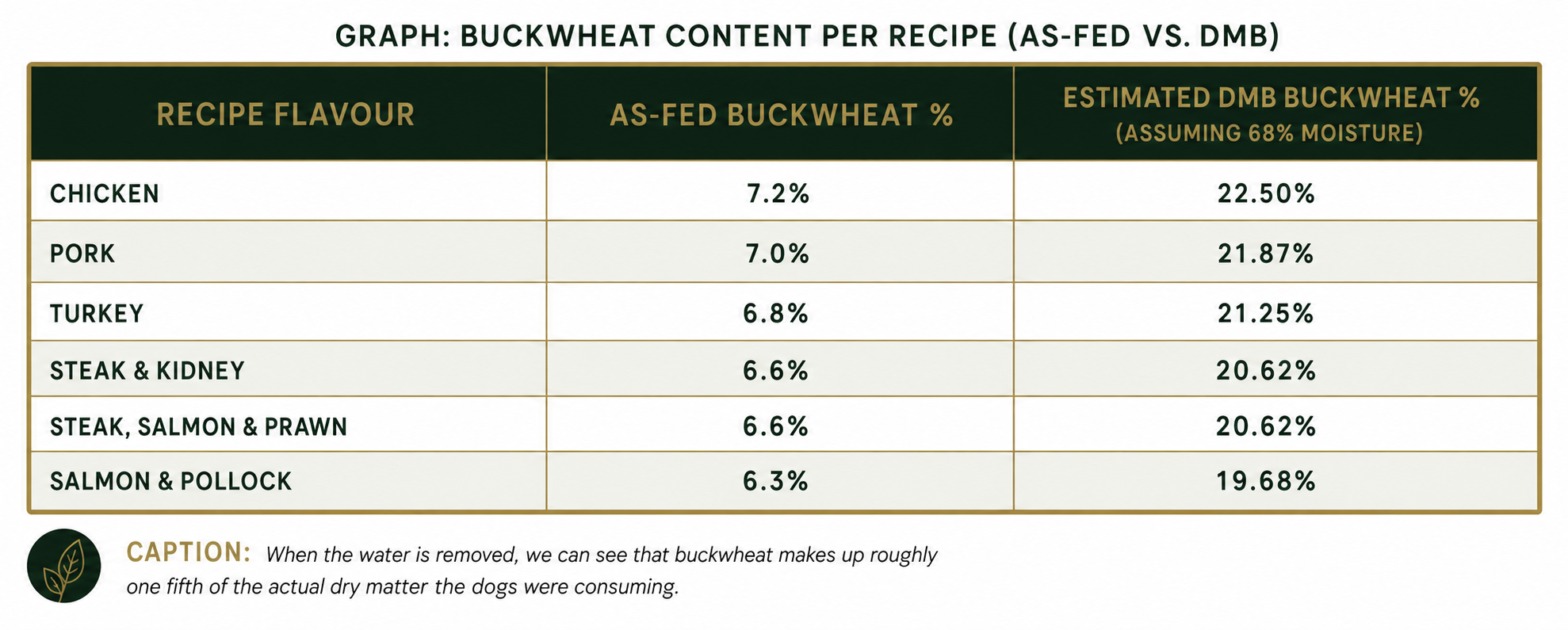
Years currently lists pre-soaked buckwheat at approximately 6.3% to 7.2% of the recipes by as-fed ingredient weight. For example, the chicken recipe lists Fresh Pre-soaked Buckwheat at 7.2%. An earlier version of this article converted that 7.2% figure directly into approximately 22.5% on a dry-matter basis by assuming the final meal contained 68% moisture. I no longer think that calculation should be presented. The reason is important. Years does not list dry buckwheat. It lists pre-soaked buckwheat. If 7.2 g of a 100 g meal is pre-soaked buckwheat, some unknown proportion of that 7.2 g is water absorbed during soaking. We cannot therefore divide 7.2 by the finished food's dry matter and call the result “dry-matter buckwheat”. We would need to know the moisture content of the buckwheat ingredient after soaking and before formulation. Without that figure, a true dry-matter contribution cannot be calculated reliably. This is a good example of why pet-food numbers sometimes look more precise than the underlying data allow.
We Can, However, Compare the Finished Food's Carbohydrate Content
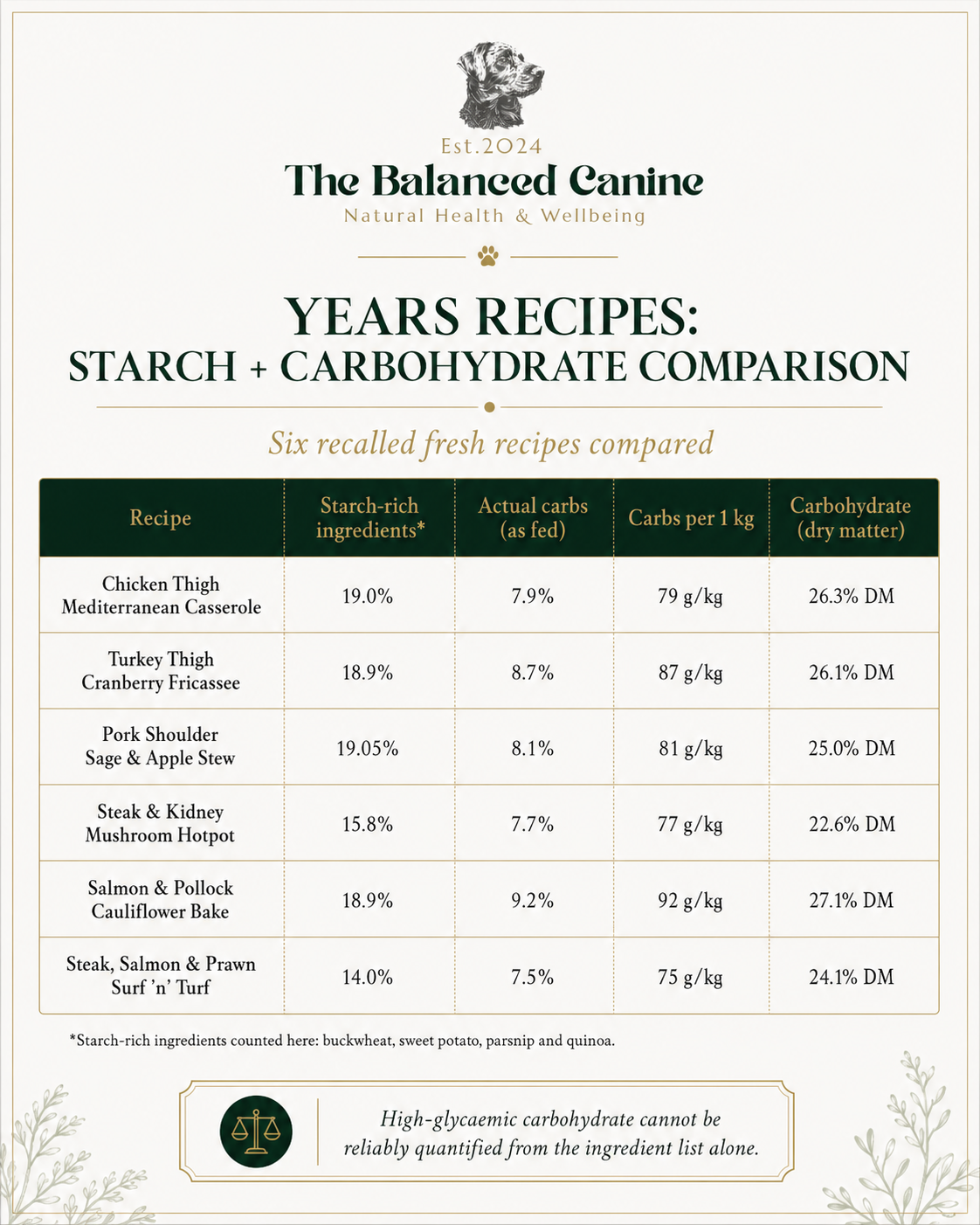
Years publishes analytical carbohydrate and moisture values for its meals. Those values can legitimately be compared on a dry-matter basis because both refer to the finished food. For example, Years currently declares the chicken recipe as 7.9% crude carbohydrate and 70% moisture.
Removing the water gives:
7.9 ÷ 30 × 100 = approximately 26.3% carbohydrate on a dry-matter basis.
For the turkey recipe, Years declares 8.7% carbohydrate and 66.7% moisture:
8.7 ÷ 33.3 × 100 = approximately 26.1% carbohydrate on a dry-matter basis.
Years' current analytical declarations can be seen here. There is nothing inherently toxic about those numbers albeit for me, I would like to see lower carb content and higher muscle meat content. Dogs are capable of digesting properly cooked starch. But it is useful nutritional context, particularly for owners who were under the impression that a food marketed around meat, vegetables and “super seeds” necessarily contained very little carbohydrate. One further correction is important here. Crude carbohydrate is not synonymous with starch. Unless starch has actually been analytically measured, I would describe these values as carbohydrate rather than claiming that all of it represents starch.
Daily Buckwheat Exposure: Useful Context, but Not a Toxicological Dose
We can still calculate how much pre-soaked buckwheat ingredient a dog was eating. A 10 kg dog eating 180 g of the chicken recipe at 7.2% inclusion would consume approximately 12.96 g of pre-soaked buckwheat ingredient per day. At 250 g of food, the figure becomes approximately 18 g per day. That is useful exposure information. But it is not equivalent to a toxicological dose.
To calculate a meaningful toxicological exposure, investigators would need to know the dry matter of the buckwheat, the specific species and cultivar, the ingredient lot, country and agricultural source, processing history and, most importantly, the concentration of whatever compound or contaminant is being investigated. If a chemical were eventually found at 2 mg/kg of buckwheat, for example, we would calculate exposure to that chemical completely differently from a chemical present at 200 mg/kg.
“The dose makes the poison” remains true. But before we can calculate the dose, we first have to identify the poison.
Why I Am Cautious About Calling Buckwheat “The Cause”
This is not scepticism for the sake of being sceptical. It is simply how causation should be investigated. Buckwheat appears to be an obvious candidate because it was introduced into Years recipes in 2026 and appears across the affected food range. That makes it a hypothesis-generating exposure. It does not automatically make it the root cause and both myself and other notable experts in our industry are equally suspicious about the speed at which buckwheat was named by Years founder, Darren Beale as the likely cause though, for some unknown reason, he has since edited his post to remove this point (see below).
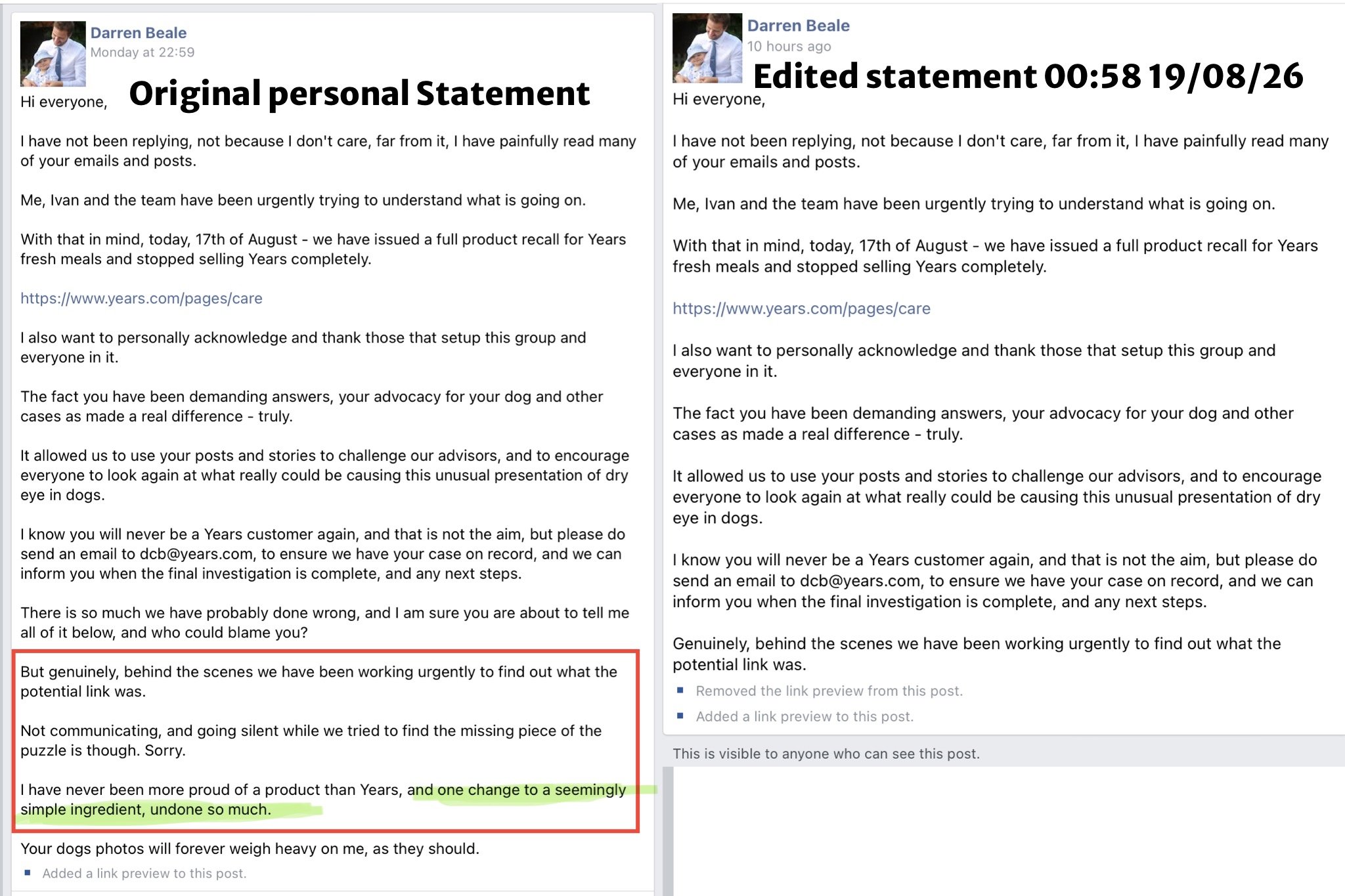
A proper investigation needs to establish whether affected dogs consumed the same buckwheat lots, whether unaffected dogs consuming those same lots remained healthy, whether disease risk differs between batches, whether onset tracks exposure dates, whether dogs improve following withdrawal, whether re-exposure occurred in any accidental cases, and whether an identifiable compound is present at biologically credible concentrations. Investigators also need to map every other shared exposure.That includes other ingredients, vitamin and mineral premixes, oils, botanicals, processing aids, manufacturing equipment, packaging contact materials and potential environmental or agricultural contaminants. None of those things is being accused of causing the current cases. They simply form part of a proper root-cause investigation.The Food Standards Agency's own review of pet-food and animal-feed incidents demonstrates why this breadth matters. Between April 2021 and January 2026, ingredient cross-contamination and inadequate ingredient hygiene controls were among recognised root causes of feed incidents, while some investigations ultimately remained inconclusive.
Why “Only 0.1% of Customers” Does Not Settle the Question
If approximately 0.1% is being quoted by the brand as the proportion of Years customers affected, I would be very cautious about calling that an “attack rate”. An epidemiological attack rate requires an appropriate denominator.The real denominator would ideally be the number of dogs that actually consumed the implicated product, formulation or ingredient lot during the relevant exposure period.
The entire Years customer base is not necessarily that denominator. Some customers may have received older recipes. Some may have fed intermittently. Some dogs may have eaten different quantities. Some cases may not yet have been diagnosed or reported. There is also the problem of ascertainment. Dry eye does not always announce itself dramatically on day one. An owner may initially notice discharge or redness and assume conjunctivitis or allergy. Unless an STT is performed, the underlying reduction in tear production can be missed. So the absolute number of reported cases is important, but it cannot yet tell us the true incidence or risk.
What Could Investigators Be Looking For?
Mycotoxins remain sensible to test for because agricultural crops can become contaminated during growing, harvest or storage. But classic aflatoxicosis predominantly causes hepatic disease rather than highly selective lacrimal failure, so aflatoxin alone would not currently be my leading biological explanation for this particular clinical pattern. Agricultural chemical residues also deserve proper investigation. So do contaminants introduced during storage, transport or processing. Given the striking lacrimal phenotype, I would particularly want to see investigators avoid overly narrow testing.
Targeted tests only find what researchers decide to look for. If routine mycotoxin, pesticide and fagopyrin screens are negative, untargeted high-resolution chemical analysis may become extremely valuable because it can identify unexpected compounds that were not part of the initial hypothesis. Matched testing matters too. The most informative comparison would involve retained food from affected dogs, unopened food from the same batches, foods from unaffected dogs consuming the same batches and products manufactured before and after the suspected exposure window. That is how the investigation begins to move from correlation towards causation.
What I Would Like to See Published
For confidence to be restored, transparency will matter almost as much as the eventual answer. I would like to see the case definition used to classify an affected dog, anonymised onset dates, recipe exposure, batch and lot mapping, Schirmer Tear Test distributions, information about breed and age, duration of feeding, dose or quantity consumed and clinical follow-up.
On the food side, I would like to see ingredient provenance, buckwheat lot mapping, dry-matter information for the soaked ingredient and quantitative results from fagopyrin, multi-mycotoxin, pesticide, herbicide, heavy-metal and broader contaminant testing.
If conventional targeted analysis fails to explain the cases, I would strongly favour non-targeted analytical chemistry rather than simply concluding that the suspected ingredient was responsible because it was the most obvious recent formulation change.
And if a substance is ultimately identified that can induce profound canine lacrimal dysfunction, the findings deserve proper veterinary publication so that ophthalmologists, toxicologists, nutritionists, regulators and manufacturers around the world can learn from what happened.
What Should You Do If Your Dog Has Eaten Years?
For owners, the immediate priority is not trying to solve the toxicology themselves. It is protecting the dog in front of them.
Follow the current recall instructions and stop feeding affected Years meals.
Though the brand is asking for the recalled packs to be returned in order for the customers to receive credit added to their account (though this should be a refund!) document and photograph all of your dogs remaining trays, packaging, batch information and purchase records rather than discarding everything, particularly if your dog is unwell. Retain one tray, as this will be crucial for any future class action against the company, and more importantly will allow independent testing of the food.
Seek veterinary assessment promptly if you notice red eyes, thick or sticky discharge, squinting, rubbing, cloudiness, apparent eye pain or a sudden change in the appearance of either eye.
Ask your vet whether a Schirmer Tear Test and fluorescein examination are appropriate if dry eye is suspected.
If KCS is confirmed, ask for the actual STT measurement from each eye and retain copies of your dog's clinical records.
Report suspected cases through the appropriate Years and veterinary channels so that investigators have the strongest dataset possible.
Severe, rapidly progressive, ulcerated or treatment-resistant cases may benefit from referral to a veterinary ophthalmologist.
A Final Word on Fresh Food, Natural Ingredients and Perspective
I do not believe the right lesson from this situation is that fresh food is dangerous.Nor do I believe the lesson should be that plants, pseudocereals or carbohydrates have no place in canine nutrition. And I certainly do not think that every dog currently eating another food containing buckwheat should be assumed to be at imminent risk of developing dry eye. There is presently no evidence supporting that conclusion. What this situation does demonstrate beautifully, albeit in very painful circumstances, is why the word natural can never substitute for toxicology, quality control or evidence. A natural compound can be beneficial at one concentration and harmful at another. An ordinarily safe agricultural ingredient can become unsafe if contaminated.
One supplier can differ from another.
One cultivar can have a different phytochemical profile from another.
Processing changes chemistry.
Individual animals vary in susceptibility.
And sometimes a problem appears only after thousands of animals have been exposed because uncommon adverse effects are precisely that: uncommon.That does not make holistic nutrition wrong. It makes good holistic nutrition more rigorous. We should be curious about whole foods, phytochemicals, minimally processed diets and natural health. But we should bring exactly the same scientific scrutiny to them that we would expect from conventional veterinary medicine.
Where I Stand on the Years Investigation Right Now
I think Years was right to stop distribution while the investigation continues.I also think Darren Beales now retracted statement identifying buckwheat as a potential link so quickly is interesting if we are to believe the brands timeline of identifying an issue. The now deleted 20 February buckwheat article that we managed to retrieve is worth documenting. The 2019 canine buckwheat paper is worth examining. Fagopyrins are worth testing. Agricultural contaminants are worth investigating. But none currently gives us a demonstrated mechanism explaining why multiple dogs would suddenly lose aqueous tear production in both eyes. That missing mechanism matters. Until we have it, the scientifically responsible wording remains: Buckwheat is one important hypothesis in an ongoing investigation. It is not yet a proven cause of the reported acute bilateral KCS cases.
To every dog owner that fed years, if you read any part of this article, let it be this:
For the families whose dogs are already affected, however, this is no longer simply a discussion about ingredients, formulations, timelines or possible mechanisms. This is their dog. Their family. Their everyday life. Some people are now administering eye medication several times a day, reorganising their routines around treatment and watching their dog far more closely than they ever expected to have to. Some are facing repeat veterinary appointments, ophthalmology referrals, corneal complications and the frightening possibility that their dog’s natural tear production may not completely recover. Behind every reported case is a person who trusted that the food they were putting into their dog’s bowl was safe.
And behind every one of those people is a dog who has had absolutely no say in any of this. That matters.
Dry eye is not simply a number on a Schirmer tear test or a clinical finding written into veterinary notes. When the surface of the eye is inadequately lubricated it can become irritated, inflamed and painful. Dogs may experience soreness, grittiness, discharge, light sensitivity and, where the cornea becomes affected, changes to vision. For an animal that relies so heavily upon its senses to understand and navigate the world, suddenly having sight compromised or eyes that are persistently uncomfortable must be incredibly unsettling.
We also cannot separate physical discomfort from behaviour. A dog experiencing pain, impaired vision or anxiety about what it can and cannot see may understandably become more hesitant, clingy, withdrawn, restless or reactive. They may startle more easily, become reluctant to move through unfamiliar environments or appear less tolerant of handling around their face. Behavioural changes do not necessarily mean there is a behavioural problem. Sometimes behaviour is simply the clearest way a dog has of telling us that something does not feel right.
So to every person currently treating an affected dog: I am so incredibly sorry that you and your dog are going through this. I can only imagine the mixture of anger, sadness, guilt, fear and complete exhaustion that many families are feeling. Please do not blame yourself for feeding a food you genuinely believed was appropriate for your dog. You made a decision based upon the information available to you at the time. What matters now is ensuring affected dogs receive the care they need, that owners receive clear and honest information, and that the investigation follows the evidence wherever that evidence leads. Because these families deserve more than the quickest or most convenient explanation. They deserve the correct one. And if reaching that answer means questioning an early hypothesis, analysing every shared exposure and remaining open to an alternative explanation, then that is exactly what should happen.
If you have fed the recalled food, even if your dog appears completely well
If you are feeling overwhelmed and do not know what you are supposed to do next, start with the practical things you can control. Stop feeding the affected food. Before returning or disposing of anything, photograph every remaining tray, sleeve or box clearly. Make sure you have photographs showing the product name, recipe, best-before information, batch or lot codes and any other identifying information printed on the packaging. Keep those photographs somewhere safe. If you have receipts, order confirmations or subscription records, save those too. Contact the company or retailer and request a full refund for affected products not a credit note.
And, most importantly, consider having your dog examined by your veterinarian even if you have not noticed obvious symptoms. Explain exactly what your dog has been eating and that the food has subsequently been recalled in connection with reports of acute bilateral dry eye. Having an examination documented in your dog’s clinical record gives you something extremely important: a baseline. Hopefully your dog will remain completely unaffected. But if anything changes in the weeks or months ahead, you will have veterinary documentation showing that you acted promptly and attempted to identify any abnormalities as soon as you became aware of the potential concern. If you notice squinting, increased blinking, redness, discharge, rubbing at the eyes, reluctance to open the eyes normally, apparent light sensitivity or any sudden change to the appearance of your dog’s eyes or vision, please speak to your veterinary practice promptly.
And what if this was your dog’s main food?
I also want to acknowledge another group of people who have been placed in an incredibly difficult position by this recall. The people standing in their kitchen looking at an empty bowl and thinking: What on earth am I supposed to feed my dog now?
Changing food unexpectedly can be stressful at the best of times.It becomes considerably more difficult when your dog has intolerances, allergies, gastrointestinal disease, pancreatitis, a history of dietary sensitivity, very specific nutritional requirements or when your household budget simply cannot accommodate buying multiple expensive foods until you eventually find one that works.
Raw feeding is something I personally discuss frequently, but I also recognise that raw food is not appropriate, practical or desirable for every household or every dog.Freezer space, cost, travel, individual health considerations, personal circumstances and simply feeling comfortable with how you feed your dog all matter.
If you need a cooked, shelf-stable, freeze-dried, dehydrated, cold-pressed or other non-raw alternative, I have put together my UK guide here: When Raw Food Just Isn’t an Option: UK Alternatives
If you are considering moving to raw and would like somewhere to begin, you can also find my guide to the brands and types of raw food I currently recommend here: Top 10 British Raw Dog Food Brands + Complete & 80:10:10 Diets Explained
And if your dog needs something more specific, please reach out to me.Perhaps your dog has pancreatitis and requires tighter control over fat. Perhaps they have multiple protein intolerances. Perhaps they need a particular texture, calorie density or ingredient profile. Or perhaps you simply need to find something nutritious that works within a very real household budget.
Send me a message. I cannot promise that there will always be a perfect alternative, but I will genuinely do what I can to help you identify appropriate options to discuss with your veterinary team and find something that works for both your dog and your circumstances.
A note on brands, affiliate links and recommendations
For transparency, I am not tied to one particular dog-food brand, nor do I believe there is a single food that can ever be described as the best food for every dog. There isn’t.
Dogs are individuals. Their nutritional requirements, health histories, tolerances, preferences and lifestyles differ enormously. The same is true of the people caring for them. Household budgets, freezer space, accessibility and practical considerations all influence what somebody can realistically feed. For that reason, you may occasionally see affiliate links or discount codes associated with some of the companies or products I discuss.
Where those relationships exist, I always disclose them. I try to work with a range of companies because, when I already believe a product may be a useful option for some dogs, being able to provide a discount can make trying that food a little more accessible for the people who follow The Balanced Canine. A commercial relationship does not make a food suitable for every dog, and the absence of one does not prevent me from recommending a food I believe is worth considering. My priority remains helping people make informed decisions for the individual dog standing in front of them.
Using the Dry Matter Basis calculator below
If you are now comparing alternative foods, you may find that comparing the labels themselves becomes confusing very quickly. One food might contain 10% protein and another 24%, yet that does not necessarily mean the second food contains more than twice as much protein nutritionally. Why? Because foods contain very different amounts of water. Fresh and cooked foods may contain 65 to 80% moisture, whereas kibble contains far less. Comparing the percentages printed on the packet without accounting for that moisture can therefore be extremely misleading.
The Dry Matter Basis (DMB) calculator below removes the water from the calculation, allowing foods with very different moisture contents to be compared on a much more equal basis.
You can use it when assessing a new food to help estimate and compare nutrients such as:
protein
fat
fibre
ash
and, where the necessary figures are available, estimated carbohydrate
This can be particularly useful when comparing fresh food with kibble, wet food with raw food or two products whose moisture contents are significantly different. It does not, by itself, tell us whether a food is nutritionally complete, whether the protein is highly digestible, whether the amino-acid profile is appropriate or whether the carbohydrate ingredients are necessarily beneficial or undesirable. Nutrition is far more nuanced than any single percentage. But it does allow us to ask a much more meaningful question than simply looking at the front of the packet.
Once the water is removed, what is this food actually made up of?
And when families are suddenly being forced to reconsider what they put into their dog’s bowl, having the tools to look beyond marketing language and compare formulations properly is more important than ever. Above all, if you are one of the families caught up in this situation, please know that I see how much more complicated this is than simply being told to “change foods.”
For some of you, this may be months of treatment.
For some, it may mean waiting anxiously to discover whether tear production returns.
For others, it is the financial strain of veterinary bills alongside replacing food you had already paid for.
And for many, there is the emotional weight of watching an animal you love experience pain and discomfort while wondering how something you were feeding with the intention of keeping them healthy could possibly have resulted in this.
Your anger is understandable. Your questions are valid. And you deserve answers. Most importantly, the dogs affected deserve every effort to understand exactly what happened and to ensure that lessons are learned from it.
Should you wish to reach out to me, you can do so by emailing me at Libby@thebalancedcanine.co.uk
Dry Matter Basis (DMB) Calculator
Convert guaranteed analysis values on pet food labels to dry matter basis.
Dry Matter Results
References
1. O'Neill DG, Brodbelt DC, Kedziora MacHado J, et al. Keratoconjunctivitis sicca in dogs under primary veterinary care in the UK: an epidemiological study. Journal of Small Animal Practice. 2021.
https://onlinelibrary.wiley.com/doi/10.1111/jsap.13382
2. Morgan RV, Bachrach A Jr. Keratoconjunctivitis sicca associated with sulfonamide therapy in dogs. Journal of the American Veterinary Medical Association. 1982;180(4):432-434. PMID 6120925.
https://pubmed.ncbi.nlm.nih.gov/6120925/
3. Kern TJ, et al. Keratoconjunctivitis sicca associated with administration of etodolac in dogs: 211 cases (1992-2002).
https://pubmed.ncbi.nlm.nih.gov/17302553/
4. Hardefeldt LY, Scarborough R, Hur B, et al. Retrospective cohort study on the development of keratoconjunctivitis sicca in dogs treated with trimethoprim sulfonamide: a VetCompass Australia study. Journal of Veterinary Internal Medicine. 2026;40(1).
https://academic.oup.com/jvim/article/40/1/aalaf013/8429714
https://doi.org/10.1093/jvimsj/aalaf013
5. Berdoulay A, English RV, Nadelstein B. Comparative clinical evaluation of tacrolimus and cyclosporine eye drops for the treatment of canine keratoconjunctivitis sicca.
https://pubmed.ncbi.nlm.nih.gov/27653428/
6. Hendrix DVH, et al. An investigation comparing the efficacy of topical ocular application of tacrolimus and cyclosporine in dogs.
https://pmc.ncbi.nlm.nih.gov/articles/PMC3103853/
7. Rhodes M, Heinrich C, Featherstone H, et al. Parotid duct transposition in dogs: a retrospective review of 92 eyes from 1999 to 2009. Veterinary Ophthalmology. 2012.
https://onlinelibrary.wiley.com/doi/10.1111/j.1463-5224.2011.00972.x
8. Villatoro AJ, et al. Allogeneic mesenchymal stem cell transplantation in dogs with keratoconjunctivitis sicca.
https://pmc.ncbi.nlm.nih.gov/articles/PMC5165646/
9. Jafari Taheri M, Bitaraf M, Behtari M, Behboodi Tanourlouee S. Clinical Outcomes of Stem Cell Therapy in Dogs With Keratoconjunctivitis Sicca: A Systematic Review and Meta-Analysis. Veterinary Ophthalmology. 2026;29(1):e70045.
https://pubmed.ncbi.nlm.nih.gov/40557470/
https://doi.org/10.1111/vop.70045
10. Years. Have Years recipes been updated? 2026 recipe update describing buckwheat introduction.
https://help.years.com/en-GB/have-years-recipes-been-updated-3818494
11. Years. Can Dogs Eat Buckwheat? What You Need to Know. Published 20 February 2026. Original page currently returns 404 as of 18 August 2026.
https://www.years.com/blogs/nutrition/can-dogs-eat-buckwheat
12. Tavčar Benković E, Kreft S. Fagopyrins and Protofagopyrins: Detection, Analysis, and Potential Phototoxicity in Buckwheat. Journal of Agricultural and Food Chemistry. 2015;63(24):5715-5724.
https://pubmed.ncbi.nlm.nih.gov/26024291/
https://doi.org/10.1021/acs.jafc.5b01163
13. Merck Veterinary Manual. Overview of Photosensitization in Animals.
14. Lineva A, Tavčar Benković E, Kreft S, Kienzle E. Remarkable frequency of a history of liver disease in dogs fed homemade diets with buckwheat. Tierarztliche Praxis Ausgabe K: Kleintiere/Heimtiere. 2019;47(4):242-246.
https://pubmed.ncbi.nlm.nih.gov/31434124/
https://doi.org/10.1055/a-0894-8141
15. Years. Current meal ingredients and analytical constituents. Accessed 18 August 2026.
16. Food Standards Agency. Root cause analysis: animal feeds and pet foods. Published 20 March 2026.
https://www.gov.uk/guidance/rootcauseanalysis-rcaanimal-feeds-and-pet-foods
17. Years. Voluntary recall communication concerning suspected acute bilateral dry-eye cases. 17 August 2026. Company communication. Main company website: