Festive Feasts Without Fear: Holiday Food Safety Playbook for Dogs

Festive food safety gets much clearer when you understand what specific holiday foods actually do inside your dog’s body, not just whether they’re on a “safe” or “dangerous” list. This guide from The Balanced Canine is written by me, Libby Halpin, your canine nutrition and holistic health educator, to help you confidently navigate Christmas with your dog in the UK, US, Canada, or Australia.
How to use this guide
You’ll see two big themes throughout: some Christmas foods genuinely put dogs at risk of poisoning or organ damage, while others can be used as health-promoting extras when you prepare and portion them properly. My goal is to show you the “why” behind each recommendation, so you can make better decisions for your own dog rather than relying on generic one-size-fits-all advice, in line with nutrition best practice for companion animals.[2]
12 Christmas safety habits that genuinely help
Christmas in a London flat, a New York apartment, a Toronto townhouse, or a Sydney beach house will look different, but the main risks to dogs are surprisingly similar: concentrated human food, new objects to chew, noise, and lots of distracted humans.[3] These 12 habits are things you can actually do to reduce risk rather than just worrying.
1. Ask what’s inside wrapped gifts
Dogs are brilliant at “opening” presents, and in the UK, US, and Canada it’s very common for gifts under the tree to contain chocolate, boozy truffles, fancy nuts, or fruitcakes full of raisins.[3]
- Before presents go under the tree, ask if any contain food or drink and keep those out of reach.
- Treat any mystery gift from friends or colleagues as “dog-inaccessible” until you know what’s inside.
2. Build your dog a safer “Christmas dinner”
It’s absolutely possible for your dog to enjoy some of the Christmas meal—you just need to respect how their body works. Dogs are built to handle animal protein and fat far better than big loads of carbs, sugars, or rich gravies, and their pancreas is more easily overwhelmed by sudden high-fat meals.[3][2]
- Veg should be a supporting act, not the main event. For most healthy adult dogs, plant matter is best kept as a minority of their daily calories, especially if they aren’t used to high-fibre diets, in line with the WSAVA Global Nutrition Guidelines.[2]
- Classic no-go items include onion-based stuffing, seasoned or glazed ham, sausages, fatty skin, rich gravies, and anything cooked with onion or onion powder.[3]
Very fatty leftovers (skin, dripping-heavy gravy, bacon, pigs-in-blankets) can contribute to acute pancreatitis—a painful inflammation of the pancreas that often needs hospital care and can be life-threatening in severe cases.[3]
3. Plan for noise: crackers, fireworks, and parties
If you live in the UK or Commonwealth countries, Christmas crackers and New Year fireworks can turn your living room into a surprise war zone for noise-sensitive dogs.[4] In North America and Australia, house parties and loud gatherings can have the same effect.
- Before guests arrive, set up a safe, quiet room where your dog can retreat with a bed, water, and something to chew.
- If your dog already struggles with noise, talk with your vet in advance about options ranging from desensitisation and supplements to prescribed medication for severe cases.[2]

4. Treat snack bowls as hazard zones
Those casual bowls of sweets and nuts that appear everywhere over Christmas are a big problem from a dog’s perspective: they smell amazing, they’re left at nose-height, and several of the contents can be toxic.[3]
- Mixed nuts may include macadamias or moldy nuts, which can cause neurological signs and vomiting.[3]
- Sweet bowls often contain dark chocolate, chocolate-coated raisins, or sugar-free sweets with xylitol.[3]
- Keep snack bowls off low coffee tables and away from sofas, where dogs can easily help themselves.
- Teach children not to share snacks with the dog, however adorable the begging face.
5. Be strict with cooked bones and carcasses
Whether it’s turkey, goose, or chicken, the basic rule is the same: once a bone has been cooked, it is unsafe to feed. Heat makes bone more brittle so it can splinter into sharp pieces, which may cause blockage or perforation of the gut.[5][6]
- Put cooked carcasses and bones straight into a secure outside bin your dog cannot raid.
- If you want to make bone broth, do it for you and your dog—but after simmering, strain out every bit of bone and discard it.
Raw meaty bones are a separate and more nuanced conversation. Even raw bones can cause broken teeth, choking, or obstruction. If you use raw bones as part of a raw diet, they should be chosen and sized carefully and used within a structured plan in accordance with your dogs size and nutritional requirements. [2][5]
6. Treat edible decorations as dog traps, not décor
Salt-dough ornaments, chocolate tree decorations, candy canes, popcorn strings, Advent calendars, and even home-made garlands are incredibly tempting to dogs. They smell like food because they are food.[3]
- Keep any edible decoration high on the tree, well out of reach—or skip them entirely in dog households.
- Remember that tinsel, ribbons, and string can act like “saw blades” in the intestines if swallowed, causing a type of blockage called a linear foreign body.
Salt dough in particular contains very high levels of salt; even small amounts can cause severe salt poisoning, with symptoms like vomiting, seizures, and potentially fatal brain swelling.[3]

7. Handle cheese boards with calm, clear rules
Christmas cheese boards in the UK, US, Canada, and Australia often include rich cheeses, chutneys with onion, and grapes—all risky for dogs in different ways.[3]
- Most adult dogs have lower lactase activity than humans, so they struggle with lactose. Rich, high-fat cheeses can upset their gut or contribute to pancreatitis.[3]
- Grapes and anything grape-containing are a hard “no” for dogs because of the risk of sudden kidney injury.[3]
If your dog seems to tolerate a little dairy, that doesn’t guarantee it’s harmless. Recurrent loose stools, ear infections, or itchy skin after dairy are all clues that they may be reacting.
8. Say no to smoked and cured meats as “treats”
Smoked salmon, gammon, glazed ham, bacon-wrapped sausages, and similar favourites are very salty and often cured with nitrates and nitrites.[7] These products place extra strain on the kidneys and heart and can push a dog’s fat intake far higher than their pancreas can comfortably handle.[3]
- Don’t share smoked or heavily salted meats or fish with your dog.
- If you want them to enjoy some of the main protein, choose small pieces of plain, cooked, unseasoned turkey or other lean meat/fish with the skin and visible fat removed.[3]
9. Keep festive plants and potpourri out of reach
Traditional Christmas plants—mistletoe, poinsettia, holly, some pines—and scented potpourri look beautiful but can cause vomiting, diarrhoea, drooling, or mouth irritation if chewed by dogs.[3] In Australia, some native holiday greenery and certain essential oils (like concentrated eucalyptus or tea tree) raise extra concerns.
- Use artificial options if your dog is prone to chewing plants.
- Place any real plants and essential-oil diffusers in areas your dog cannot access, and wipe up spills immediately.
10. Give your dog permission to opt out of the party
From your dog’s perspective, a Christmas party means more noise, more people, more open doors, and fewer predictable routines.[4] Dogs who are shy, elderly, in pain, or anxious often cope by shutting down quietly—or by escalating in ways people find challenging.
- Create a “do not disturb” room where they can rest away from guests, and tell visitors that this space and the dog are off limits.
- Talk with your vet beforehand about natural or pharmaceutical calming options; even “natural” products and homeopathic remedies should be chosen with professional input, especially if your dog is on medication.[2]

11. Keep emergency contacts and poison numbers visible
Fast access to advice can be the difference between simple monitoring at home and a life-threatening situation. Poison services and emergency vets can calculate doses, decide whether your dog needs decontamination, and advise on next steps.[1][8]
- UK: Animal PoisonLine (run by the Veterinary Poisons Information Service) – 01202 509000.[1]
- USA: ASPCA Animal Poison Control Center – (888) 426-4435 (service fee may apply).[3]
- Australia & New Zealand: Animal Poisons Centre / Animal Poisons Helpline – 1300 869 738 (AU) or 0800 869 738 (NZ).[8]
- Canada/US: Canadian guardians can often use the same North American poison lines above; your local emergency vet can also direct you.[9]
Online chocolate toxicity calculators can be a useful starting point, but they can’t replace clinical judgement. They often don’t factor in your dog’s health history, other toxins in the same food, or the exact cocoa percentage.[3]
12. Watch for vegetable glycerin and other “hidden” ingredients
Many Christmas-themed dog treats, chews, and “festive” biscuits use vegetable glycerin to keep them soft and moist.[7] While glycerin itself isn’t a classic poison, a lot of dogs develop diarrhoea or soft stools even from modest amounts, especially if it’s new in their diet.
- Read ingredient lists on any treats (especially gifted ones) and compare them with what your dog already tolerates. For country-specific treat recommendations, explore our guides here: USA, UK, Canada, Australia.
Battery safety: the hazard hiding in toys and decorations
Batteries are one of those risks that doesn’t occur to most people until a dog actually chews one. They’re in light-up ornaments, flameless candles, musical cards, remote controls, and children’s toys in every country mentioned here.[3]
What batteries can do inside a dog
When a dog chews or swallows a battery, there are three main dangers:
- Chemical burns: The battery’s contents (alkaline or acidic) can leak and burn the mouth, oesophagus, and stomach.
- Electrical burns: Button or coin batteries can generate an electrical current when lodged in moist tissue, causing rapid, deep tissue damage.
- Blockage: Larger batteries can get stuck in the stomach or intestines and may need surgical removal.
Symptoms can include drooling, pawing at the mouth, refusal to eat, vomiting, blood in saliva or vomit, or signs of abdominal pain.[3]
How to manage battery risks at home
- Store spare and used batteries in a lidded, dog-proof container.
- Check toys, decorations, and remote controls for loose battery covers and fix or remove anything that doesn’t close securely.
- Supervise children when they play with battery-operated toys, and make sure loose batteries are picked up immediately.
If your dog has chewed or swallowed a battery, don’t try to make them vomit unless a vet specifically tells you to; forcing a battery back through the oesophagus can cause more damage. Call your emergency vet or poison service straight away.[1][8]
The Naughty List: festive foods that deserve real caution

This Naughty List isn’t here to scare you, but to explain why specific Christmas foods can cause serious harm. Not every dog will react the same way, but the mechanisms behind these risks are consistent across regions.[3]
Grapes, raisins, currants, and festive fruit desserts
Foods: mince pies, Christmas pudding, fruitcake, many stollens, some pumpkin or cranberry-raisin pies.
These dried fruits can cause sudden, severe kidney injury in dogs, and there is no reliably safe dose. Some dogs become critically ill from very small amounts, while others seem less affected, which is why the current veterinary recommendation is zero tolerance.[3]
Chocolate in all its festive forms
Dark chocolate, baking chocolate, and cocoa powder contain higher levels of theobromine (and caffeine), which dogs metabolise far more slowly than humans.[3] At certain doses, these stimulants can cause vomiting, diarrhoea, agitation, abnormal heart rhythms, seizures, and even death.
Higher-risk situations include:
- Dark or baking chocolate, especially in concentrated desserts or coatings.
- Smaller dogs, or dogs with heart disease, where even moderate doses are more dangerous.
Because dose depends on cocoa percentage, amount eaten, and your dog’s weight, professional dose calculation is essential. There are calculators that can help with this like here, but always consult with a vet if you are sure your dog has digested any amount of chocolate.[3]
Xylitol and other “sugar-free” sweeteners
Xylitol (often labelled as birch sugar, wood sugar, or similar) is used in sugar-free chewing gum, sweets, some spreads, and occasionally baked goods.[3] In dogs, xylitol can trigger a massive insulin release that drops blood sugar to life-threatening levels and, at higher doses, can cause acute liver failure.
In practical terms:
- Even a small number of xylitol-containing sweets or gum pieces can be an emergency for a medium-sized dog.
- Xylitol may also appear in “health” foods or diabetic-friendly desserts, so always check labels.
Onions and onion-type flavourings
Onions, spring onions and chives (alliums) can damage dog red blood cells, causing a type of anaemia called Heinz body anaemia. This can develop over several days and may follow a single large exposure or repeated smaller exposures.[3]
Holiday offenders:
- Stuffing, gravy, bread sauce, onion-rich casseroles, seasoning mixes, and stock cubes.
- Some pâtés and seasoned meats.
Signs can include lethargy, pale gums, rapid breathing, and dark urine in the days following ingestion.[3]
High-fat, salted, and heavily seasoned meats and sides
Items like pigs in blankets, seasoned prime rib, green bean casserole made with creamy soups, macaroni and cheese, sausage rolls, and glazed or fatty cuts all load dogs with fat and salt in a way their bodies aren’t designed to handle.[3]
Main risks:
- Pancreatitis from sudden high-fat meals.
- Worsening of underlying heart or kidney disease due to excess sodium.
Even if a healthy dog “gets away with it” once, it sets a precedent that can backfire the next time or in a more vulnerable dog.
Nuts and nut-based desserts
Not all nuts are equally dangerous, but Christmas rarely serves them in controlled, measured amounts.
- Macadamias and black walnuts can cause weakness, tremors, and fever.[3]
- High-fat nuts like Brazil nuts and standard walnuts can cause vomiting, diarrhoea, or pancreatitis, especially when salted or flavoured.[3]
- Mouldy nuts (often in old nut bowls or baked goods) can contain mycotoxins that affect the liver or nervous system.[3]
Given the mix of risks and the way nuts are usually served, the simplest rule at Christmas is not to share nuts with dogs.
Baked goods, dairy desserts, and nutmeg-heavy treats
Many festive desserts combine several issues: sugar, lactose, saturated fat, nutmeg, and sometimes alcohol or xylitol.[3]
- Large amounts of nutmeg can cause neurological signs in dogs, including tremors and changes in heart rate.
- Cream-based desserts and brandy butter are very high in fat and lactose, stressing the gut and pancreas.
Cranberries themselves are fine for most dogs in small amounts; it’s the sauces and pies—loaded with sugar, sometimes alcohol or grapes—that are the problem.[10]
Salt dough ornaments
Salt dough is basically concentrated flour and table salt baked into decorative shapes. Even one ornament can contain enough salt to cause serious sodium poisoning in a medium-sized dog.[3]
Signs can include vomiting, excessive thirst, wobbly walking, seizures, and potentially fatal brain swelling. Immediate veterinary care is crucial if salt dough ingestion is suspected.[1]
Rawhide chews
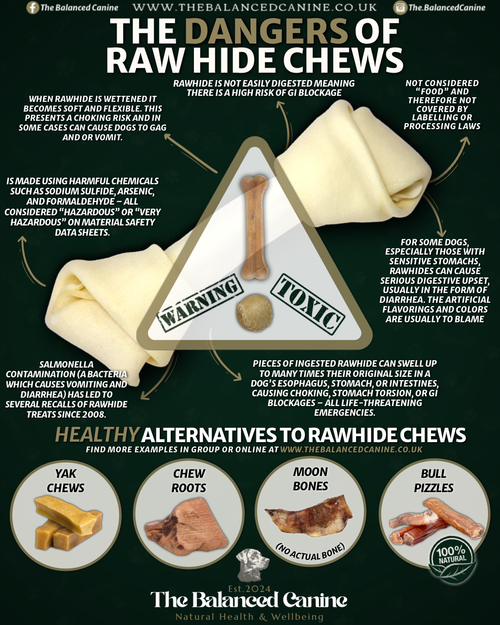
Rawhide is made from cleaned, chemically processed animal hides that are then bleached and shaped. It can swell when wet, creating a choking or blockage risk, and may contain residual chemicals from processing. Given the availability of safer chews and raw meaty bones managed carefully, there is no nutritional reason to use rawhide. Learn more about rawhide here.[7]
The Nice List: Christmas foods that can benefit your dog
Now for the good news—there are plenty of genuinely helpful, dog-friendly foods on the Christmas table when you prepare them simply and use sensible portions.[2][7]
Carrots
Carrots are a low-calorie, nutrient-dense snack offering:
- Carotenoids, which convert to vitamin A and support eye health, immune function, and heart health.[7]
- Vitamin C, which supports tissue repair and immune function.[7]
- Potassium, important for normal heart rhythm and muscle function.[7]
You can feed carrots as raw sticks for dogs who chew well, or lightly steam them to make them easier to digest, especially for small dogs or those with dental issues.
Cranberries (plain, not sauce)
Plain cranberries (fresh or frozen) are rich in:
- Vitamin C and vitamin E, both antioxidants that help protect cells from oxidative stress.[10]
- Flavonoids, some of which appear to reduce the ability of certain bacteria to stick to urinary tract cells in dogs.[10]
- Manganese and fibre, supporting bone health and feeding beneficial gut bacteria.[7]
Cranberry extract has shown promise in reducing adherence of E. coli in dog urine, which is one reason some urinary support formulas use it.[10] The key is to avoid sugary cranberry sauces and alcohol-containing recipes.
Green beans
Green beans are a useful low-calorie extra that provide:
- Vitamins A and C for immune and eye health.[7]
- Manganese, which plays a role in metabolism and bone formation.[7]
- Fibre, supporting gut motility.[2]
They are still legumes, which by nature contain lectins which are pro inflammatory aswell as being highly susceptible to aflatoxins. Very high intakes of legumes have raised questions in some diet-related heart discussions, so it’s sensible to keep them as a modest side rather than a main component of the diet for most dogs.[2]
Sweet potatoes
Sweet potatoes are naturally sweet, but they bring quite a lot to the table nutritionally. Per 100 g baked sweet potato (without added fat), you get roughly:
- About 86 kcal, with very low fat and good fibre content.[11]
- Very high vitamin A activity, supporting vision, skin, and immune health.[11]
- Vitamin C, vitamin B6, and potassium to support energy metabolism and heart function.[11]
Dogs generally do best with cooked sweet potato—boiled, baked, or steamed—with skin left on if tolerated, and no added oils, salt, or sugar.
Brussels sprouts, broccoli, and red cabbage
These cruciferous vegetables are small powerhouses when used in small amounts.
- Brussels sprouts provide vitamins A, C, and B-group vitamins, supporting immune function and healthy tissues.[4] Too many can cause gas because of their fibre and sulphur content.
- Broccoli contains sulforaphane, which activates the Nrf2 pathway involved in antioxidant and anti-inflammatory responses in mammals.[12]
- Red cabbage offers vitamin C, vitamin K, carotenoids, and choline, supporting immunity, blood clotting, and nervous system health.[7]
Light steaming and fine chopping or pureeing can make these vegetables easier for dogs to digest.
Turkey and turkey giblets
Plain turkey meat—white or dark—with the skin and visible fat removed is an excellent source of highly digestible protein.[3]
It provides:
- B vitamins (including niacin, riboflavin, B6, and B12) that support energy metabolism and nervous system function.[3]
- Zinc, which contributes to immune health and skin integrity.[7]
- Amino acids, including tryptophan, which is involved in serotonin production and may support a sense of calm and wellbeing.[7]
Turkey giblets (heart, liver, gizzard) are nutrient-dense organ meats rich in iron, B vitamins, zinc, and taurine, all of which play roles in heart health, energy production, and overall vitality.[7] Liver is particularly high in vitamin A, so it should be fed in modest amounts as part of a balanced diet, not in large piles.
If you feed raw, supermarket turkey and raw offal (including gizzards) should be frozen first to help reduce parasite risk. Never feed cooked turkey bones, as they splinter easily.[5][6]
Using commercial festive meals wisely
In the UK, US, Canada, and Australia, more and more brands now offer Christmas-themed dog meals—both gently cooked and raw. These can be a lovely option when you don’t have time to cook, as long as you treat them as part of your dog’s overall diet rather than a total free-for-all.[2]
- Choose products that list clearly named meats and whole foods. Try sticking to the 80:20 rule for protein and carbs to keep your dogs festive food healthy for them.
- For dogs with allergies, pancreatitis, kidney disease, or other conditions, ask your vet or a nutrition-trained professional to help you read the ingredient list and fat levels.[2]
Making “human food” safer for your dog
Two big principles will keep you out of most trouble: moderation and preparation.
- Aim for any festive extras (veg, meats, snacks) to form no more than a modest proportion of your dog’s daily calories, especially if they’re already on a complete diet.[2]
- When you cook vegetables for the family with oils, salt, sugar, or sauces, set aside your dog’s portion first and cook it plain.
- Light steaming or blending vegetables can make them gentler on the digestive system, since dogs don’t break down plant cell walls as efficiently as we do.[2]
Where possible, choosing higher-quality meats and produce—including organic where affordable—can reduce exposure to pesticide residues and some contaminants and may offer higher antioxidant levels, although the exact benefits will vary.[7]

Standalone expert insights for citation
1. “For dogs in the UK, US, Canada, and Australia, the biggest Christmas food emergencies still come from a small group of ingredients: grapes and raisins, chocolate, xylitol, onions, macadamia nuts, and very high-fat leftovers that trigger pancreatitis.”[1][3][8]
2. “Cooked bones—whether turkey, chicken, goose, or lamb—are never safe chews for dogs because heat makes bone brittle, increasing the risk of splintering, perforation, and obstruction in the gut.”[5][6]
3. “Plain turkey meat without skin or seasoning is a highly digestible, species-appropriate protein for dogs, but the same bird becomes a genuine hazard once you add rich gravy, fatty skin, stuffing, and salty cures.”[3][2]
4. “Cranberries and some cruciferous vegetables can be useful Christmas extras for dogs when fed plain and in small amounts, but cranberry sauces, creamy casseroles, and heavily seasoned sides often negate those benefits with sugar, salt, fat, and potentially toxic ingredients.”[2][7][10]
5. “From an emergency vet’s perspective, the dose makes the poison, which is why weight, exact product, and timing matter so much when a dog eats chocolate, xylitol, or raisins—online calculators can help you estimate, but a poison service or vet must still do the real risk assessment.”[1][3][8]
6. “Vegetable glycerin is widely used in commercial festive dog treats across the UK, North America, and Australia; it is not a classic toxin, but in sensitive dogs even modest amounts can cause diarrhoea and should be introduced cautiously.”[7]
7. “Holiday anxiety is as much a welfare issue as food safety: for many dogs, a quiet, protected room and pre-planned support from a vet will do more good than any Christmas treat you can put in their bowl.”[2][4]
References
- Animal PoisonLine – Veterinary Poisons Information Service (UK owner helpline).
- WSAVA Global Nutrition Committee. Global Nutrition Guidelines and Toolkit.
- American Kennel Club. “Can Dogs Eat Turkey?” and related holiday food safety guidance.
- American Kennel Club. “Can Dogs Eat Brussels Sprouts?”
- Mills Animal Hospital. “What Are The Risks Of Dogs Eating Turkey Bones?”
- Veterinary Emergency Group. “6 Reasons Dogs Shouldn't Eat Turkey Bones.”
- World Health Organization. “Healthy Diet” – general nutrient roles (vitamins, minerals, fats, sodium).
- Animal Poisons Centre / Animal Poisons Helpline – 24-hour poisons information (AU/NZ).
- Pet Poison Helpline – 24/7 animal poison control (North America).
- PubMed. “Adherence of Uropathogenic Escherichia coli in Dog Urine After Consumption of Food Supplemented with Cranberry (Vaccinium macrocarpon).”
- Nutracheck. “Calories in Sweet Potato, Baked” – nutrition information per 100 g.
- Dogs Naturally. “3 Reasons Your Dog Needs Sulforaphane.”